Describe the software you need. Get a real website, native app or game.
The machine underneath is already built. The AI only writes your idea.
Tell the AI what your business needs. Everything underneath — accounts, payments, emails, languages, the phone app — is already built, so you get a real product on your own domain, not a demo. Pay once, run as many projects as you like.
A modular runtime on Laravel 13 and PHP 8.3+: DB schema, ACL, server-side FIELD rules, cron + queue, i18n with localized routes, multi-domain multi-tenant, a native app on the same backend, and fast APIs through Laravel Octane. The AI writes one module at a time — import a ZIP, no build, no migrations by hand.
One prompt. A website, a native app or a game.
The same five steps build all three, and all three run on the one backend you own. Pick one to follow its path from a sentence to the store.
A Unity game is three parts: the phone runs Unity, your backend keeps accounts and coins, gea-rt moves the players in real time.
-
Plain words, Vietnamese is fine: “a caro game for 2 players, coins for the winner”. Add your pictures if you have them.
Claude ChatGPT · Codex -
The game, the website part (coins, shop, leaderboard) and the realtime rooms come in the same ZIP. You do not open or read it.
Game Website part Realtime rooms -
Everything is checked first. If the AI made a mistake, nothing is written and you get the sentence to send back to the AI.
Nothing written until it passes -
Open the folder in Unity 6 and press Play. Want a change? Tell the AI “make the board bigger”, upload the new ZIP — only the changed files move.
Unity 6 LTS -
Build the APK / AAB for Google Play or the iOS app from Unity's Build Profiles. The game signs in with your website's accounts.
Google Play App Store
Caro, chess, cards, ludo, quiz, board games. The board is shared state with a version: two players moving at once cannot overwrite each other.
.io games, snake, top-down shooters, racing. Positions 15–20 times a second; each player only receives the players near them.
Arenas, party games, 3D racing, open-world hubs. 3D worlds, animated characters, a camera that follows — hundreds of players in one room.
Ranked PvP, shops, loot, auto-battlers. A Linux build of the same game runs as referee: money and damage are decided on the server.
Monsters, NPCs, waves, bosses. The host owns the monsters; every player sees them move smoothly.
Puzzle, idle, runner, match-3, tower defense. No room needed: progress on the phone, coins and leaderboards through your website's APIs.
Screens, 2D / 3D world, controls, effects — written by the AI, put into your Unity folder by the Studio.
Accounts, sign-in, data, APIs, payments, admin screens — the only part that touches the database.
Rooms, matchmaking, lobby chat, who is online. Signs every match result back into your database.
Add-on · $99 once- The game never holds a database password: everything it saves goes through your backend's APIs and permissions.
- Scores are decided on the server and signed by gea-rt — a hacked phone cannot give itself coins.
- One backend serves the game, the website and every app with the same accounts.
A mobile app is the app code plus the backend it signs in to. Realtime is only for chat and live screens.
-
The Studio gives you the prompt for Flutter, Android or iOS. Paste it into Claude or ChatGPT with what the app should do.
Claude ChatGPT · Codex -
One part is the screens and modules of the app. The other is the tables, APIs and save rules it needs on your website.
<platform>/ · the app web/ · tables, APIs, rules -
No project to create first: the app is made from the ZIP. Every block is checked; one mistake and nothing is written.
Nothing written until it passes -
Only the changed files are written. Open the folder in your IDE and run on a phone. The code is also kept on Vybev, so nothing is lost when a computer is.
Android Studio Xcode Flutter SDK -
Build for Google Play or the App Store. Name, app ID and icons come from the Studio.
Google Play App Store
The best choice when you want both stores with one team.
A fully native Android app: libraries and permissions are added to Gradle and the manifest by the import itself.
A fully native iPhone app: new files appear in Xcode by themselves, permission texts are written by the import.
The screens of your website on the phone, with camera, QR, push and printers.
Accounts, sign-in, data, APIs, payments, admin screens — the only part that touches the database.
Chat, live orders, kitchen screens — pushed the moment data changes. Without it, screens refresh every 30 s.
Add-on · $99 once- An order placed in the app is in the back office at once: one backend, one database.
- The app is signed for your domain: copies pointed at another server are refused.
- The AI builds on a fixed core and never edits it, so every new ZIP still fits.
A website or web app is the backend alone. Realtime is there when you need it.
-
Who uses it and what they do — plain words are enough. Paste it with the Website prompt into Claude, ChatGPT or Codex.
Claude ChatGPT · Codex -
Plain text blocks: tables, roles, pages, APIs and the rules the server checks on every save. Nothing to compile.
Tables Roles Pages FIELD -
Tables, roles, menus and routes are created. Blocks that break the engine's rules are refused before anything is written.
Nothing written until it passes -
No build step, no migrations by hand. Click through and say what is not right — the AI fixes that one module.
One module at a time -
One DNS record at your domain provider. Many domains and client projects on the same install.
shop.vn crm.vn clinic.com
Shop, booking, CRM, school… every page comes from a ZIP the AI writes.
Accounts, sign-in, data, APIs, payments, admin screens — the only part that touches the database.
Live dashboards, chat, stock that updates on every screen at once. Without it, pages refresh every 30 s.
Add-on · $99 once- Rules live on the server and are checked on every save, so a wrong screen cannot write bad data.
- Unlimited websites and client projects on your own servers.
- Add an app or a game later: they sign in to this same backend.
Same Studio, same database, same apps. Pick the engine for the job.
The default. Pick it when you are not sure.
- Websites, shops, bookings, admin panels, memberships
- Cheapest package; PHP hosting is everywhere
- Your team already knows PHP / Laravel
Needs: PHP 8.3, Nginx, a database.
For building your own LLM features.
- A chatbot that answers from your own documents (RAG)
- Reading PDFs, scanned papers and photos (OCR), QR codes, charts and PDF reports
- Forecasts, recommendations, fuzzy search, Vietnamese text tools
Needs: Python 3.11+, a database. Not for devices.
For devices, heavy traffic and strict isolation.
- The only backend with devices: ESP32, STM32, Raspberry Pi, sensors, commands, rules
- Code is compiled ahead of time: more requests on the same server
- Every block runs in its own sandbox with time and memory limits
Needs: your own server with 4 GB RAM (it compiles the code). Calling AI: yes. Reading your documents with AI (RAG, OCR): use Python.
AI: two different things
You describe the jobs the AI may do as functions: create an order, look up a booking, check stock. A customer types a message; the site sends that message plus the list of allowed functions to your AI provider (Claude, OpenAI or Gemini, with your key). The AI picks a function and its values; the site checks the user's rights and the values, then runs it. The AI never touches the database itself.
Your PDFs, Word files and scans are turned into text (scans go through OCR), cut into short passages and stored with a number fingerprint (embedding) in your database. When someone asks, the site finds the passages closest to the question and gives only those to the AI, which answers and cites [1] [2] where it found it. Your documents stay on your server; only the few matching passages are sent with each question.
| A website, shop or booking site, cheapest to run | Laravel |
| A chat that creates orders, books, looks things up for the customer | any of the three |
| Customers ask questions and the answer comes from your files | Python |
| Read invoices, ID cards or contracts from photos and PDFs | Python |
| Sensors, relays, farms, factories, smart buildings | Rust + IoT |
| Many requests on a small server, or strict isolation between projects | Rust |
| Your developers will edit the code by hand | the language they know |
All three use the same database, the same Studio and the same apps and games (React Native, Flutter, Android, iOS, Unity). You can move to another backend later and keep your data; only server code you wrote by hand has to be rewritten. Compare on the pricing page
And the servers run themselves.
One hub on one machine, a small Go agent on every server — added with one line — and an API your backend calls: 349 DevOps ops, from installing PHP, Nginx and databases to deploys, alerts and backups.
- Build a server through the APIPHP, Nginx, MySQL, PostgreSQL, MongoDB, Redis, Docker, k3s.
- See what runs whereDomain → server → app → database, found by itself.
- Deploy, roll back by itselfReleases, Compose, Kubernetes, Helm.
- Alerts, backups, securityTelegram, Slack, e-mail; restic; firewall and scans.
Every hard part of a real product, already in the engine.
AI app builders make a demo fast and then stop. Running a business also needs safe data, payments, emails that go out by themselves, other languages, a phone app and costs that stay small. Each line below is a rule of the engine and what it saves you from.
Pick any line to see how it works, start to finish.
gea-rt, a small Go server next to your site
A small Go program (gea-rt) next to your site that pushes changes to browsers and runs the rooms of multiplayer games.
- Kitchen screens, stock, chat update the moment data changes
- Game rooms: quick match, room codes, up to hundreds of players
- Each player only receives the players near them, only what changed
A paid realtime service per month, or a page that refreshes every few seconds.
gea-rt runs on your server; the database stays the truth, scores are signed.
Agents per module, bound by ACL
Type “revenue by branch last month” or “10% off every drink until Sunday” and it is done — on your real numbers, and only within what that person is allowed to do.
- Reports, customer care, data entry in one sentence
- Works with the role of whoever asks
- Never holds the database keys
A chatbot that guesses, with no idea who is allowed to see what.
A cashier asking for payroll gets nothing: the same rules as the screens.
Server-side rules at FIELD level
Prices, stock and customer records can only be changed by the people allowed to — checked on the server every single time. A bug on one screen cannot let a customer lower a price or a cashier open payroll.
- Checked on the server on every save
- Web, app, API and AI all pass the same gate
- New screens inherit the rules
The AI forgets a permission check on one screen, and anyone can change prices.
Permissions live in the FIELD, not in screens. A buggy screen still cannot get past it.
Zero-config deploy
Upload one file and your system runs on your domain. No server setup, no technician to wait for, no “it works on my machine”.
- Tables, roles and routes created for you
- No build, no restart, no migrations by hand
- Plain text blocks you can review
Servers, environment variables and migrations by hand.
Upload one file; the engine creates the rest.
One module in context
Most AI-built software gets slower and pricier to change as it grows. Here each change touches one small piece, so day 300 costs what day 1 cost, and fixing one screen never breaks another.
- Each change touches one small module
- Day 300 costs what day 1 cost
- Fixing one screen never breaks another
The whole codebase goes into the prompt; fixes break old features.
One module in context. Install or remove a module without touching the core.
Signed calls, Kafka events and one sign-in between projects
When you have several teams, heavy traffic or parts that must scale on their own, split them into microservices that talk through signed calls and Kafka events. Same platform, same prompts, nothing to rewrite.
- Outbox: if the save fails, nothing leaves
- Duplicates skipped, failures retried
- Optional: off by default, on when you grow
Hand-written webhooks with no signature, retry or idempotency; a message broker to wire yourself.
Publish with one line of code. Listen by adding a Kafka item with a topic and an event.
Native app source on the same backend
The same products, orders and customers as your website — an order on the phone shows in the back office at once. Scan, print receipts, check in by QR, take payment: whatever a phone can do.
- One backend, one database
- Camera, QR, printer, GPS, push
- Signed for your domain, built in the editor
A second project in Flutter or React Native, a second database to keep in sync.
One backend, one database. An order placed in the app is in the back office at once.
i18n built into the engine
Visitors read your shop in their own language — products, pages and even web addresses — and see prices in their currency. Search engines find you in each language. Translate by hand or in one click with AI.
- Texts, content and web addresses per language
- Prices in the visitor's currency
- Translate by hand or with AI
A translation plugin per site, URLs stay in English, prices in one currency.
Ready packs plus AI translation for any language. /checkout becomes /thanh-toan.
Cron and queue workers on the server
Order confirmations, cart reminders, appointment reminders and the morning report are sent by the server, day and night, even when nobody has the admin open. If a message fails, it tries again.
- Runs at 3 a.m., no browser open
- Never sent twice
- Every failure retried and visible
A separate cron service to rent, or jobs that only run when someone visits.
Built in. Nothing is sent twice, every failure has a next retry you can see.
Order lifecycle hooks
Bank transfer with QR, cash on delivery, PayPal and Stripe are built in. Need VNPay, MoMo or another provider? The AI writes it as one payment method — checkout is not rebuilt. The invoice, the order e-mail and your after-payment steps follow by themselves when the money lands.
- Bank QR · COD · PayPal · Stripe · + your own
- New gateway = one payment method
- Invoice, mail, push, points follow
Every new gateway means rebuilding checkout, invoices and emails.
One payment method per gateway. Stock checks and codes run before the order is written.
Event templates with schema variables
Order received, shipped, thank you, birthday, appointment: each has a template you edit like a document. Names, order codes and items fill themselves in.
- One template per event, edited like a document
- Names, order codes and items fill themselves in
- Sent through the queue, never twice
Emails hard-coded in screens; change a word, redeploy the site.
Edit the template, keep the variables. The next email uses it.
Multi-tenant runtime: a domain and a database per project
Run every brand, branch or client on one installation, each on its own domain. No extra server per site, no extra monthly fee, one update for all of them.
- Each project on its own domain
- Shared or separate database
- Update once, every project gets it
Every client site is a new server setup, a new bill, a new thing to update.
30 client sites on one install. Update the engine once, every project gets it.
A file store: upload, resize, stream, Excel
People upload photos, videos, Excel files and documents straight from the page. Images come back the right size on every screen, videos play and seek smoothly, and you decide what can be downloaded and what is view-only — all without paying for a separate storage service.
- Images resized, EXIF fixed
- Video streams with seeking
- Download or view-only per file
Uploads land in a public folder; a .php renamed .jpg can run, and big videos download whole before they play.
Files sit outside the web root, the content is checked, and video streams with seeking. Download or view-only is a single flag.
Comes with the web engine
These come with the web engine.
- E-mail code after the password
- Keycloak / OIDC, VNeID, SSO
- Append-only audit, signed webhooks
Passwords only, and logs anyone can edit.
A correct password still needs the code.
From an idea to a running product.
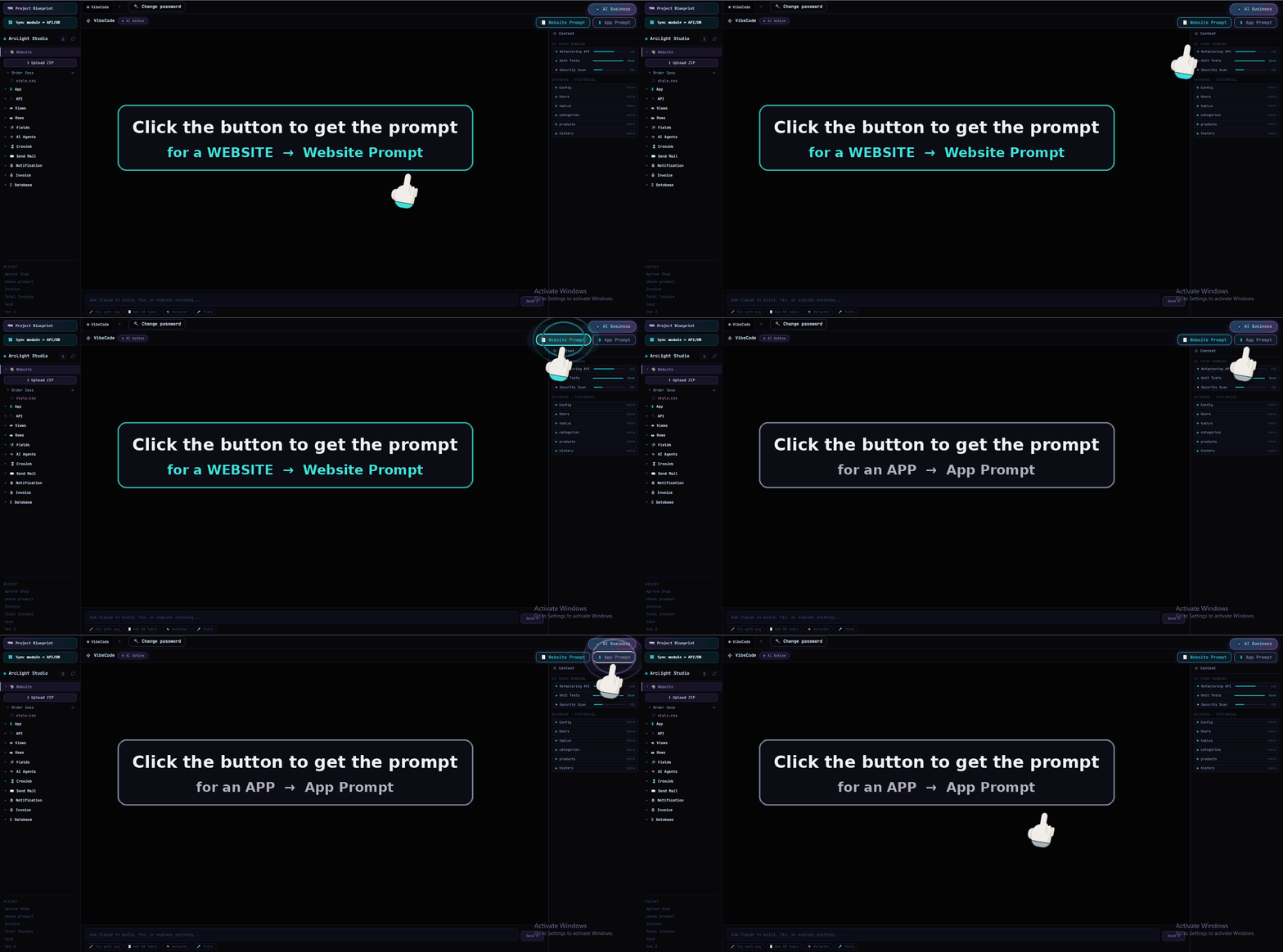
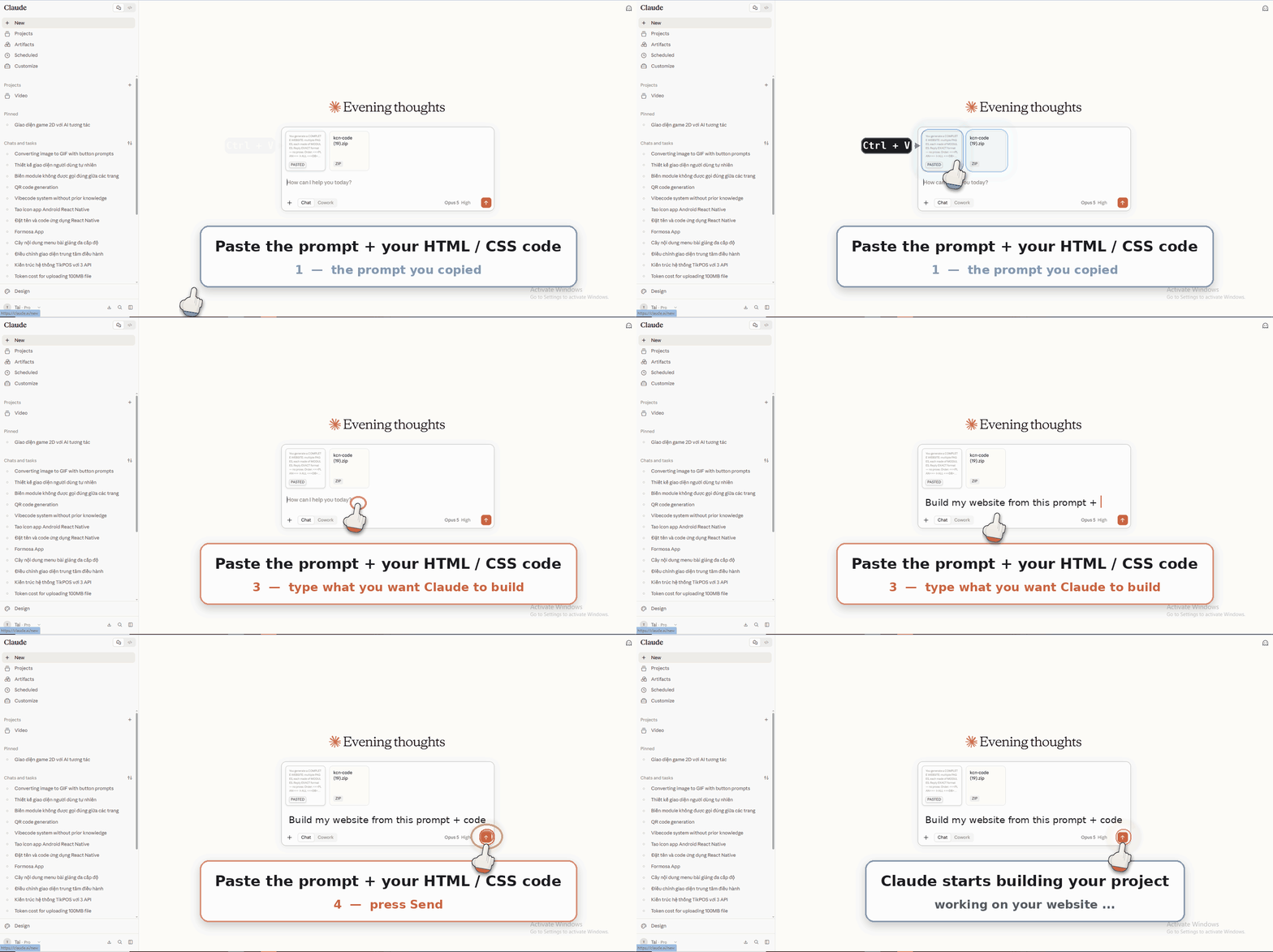
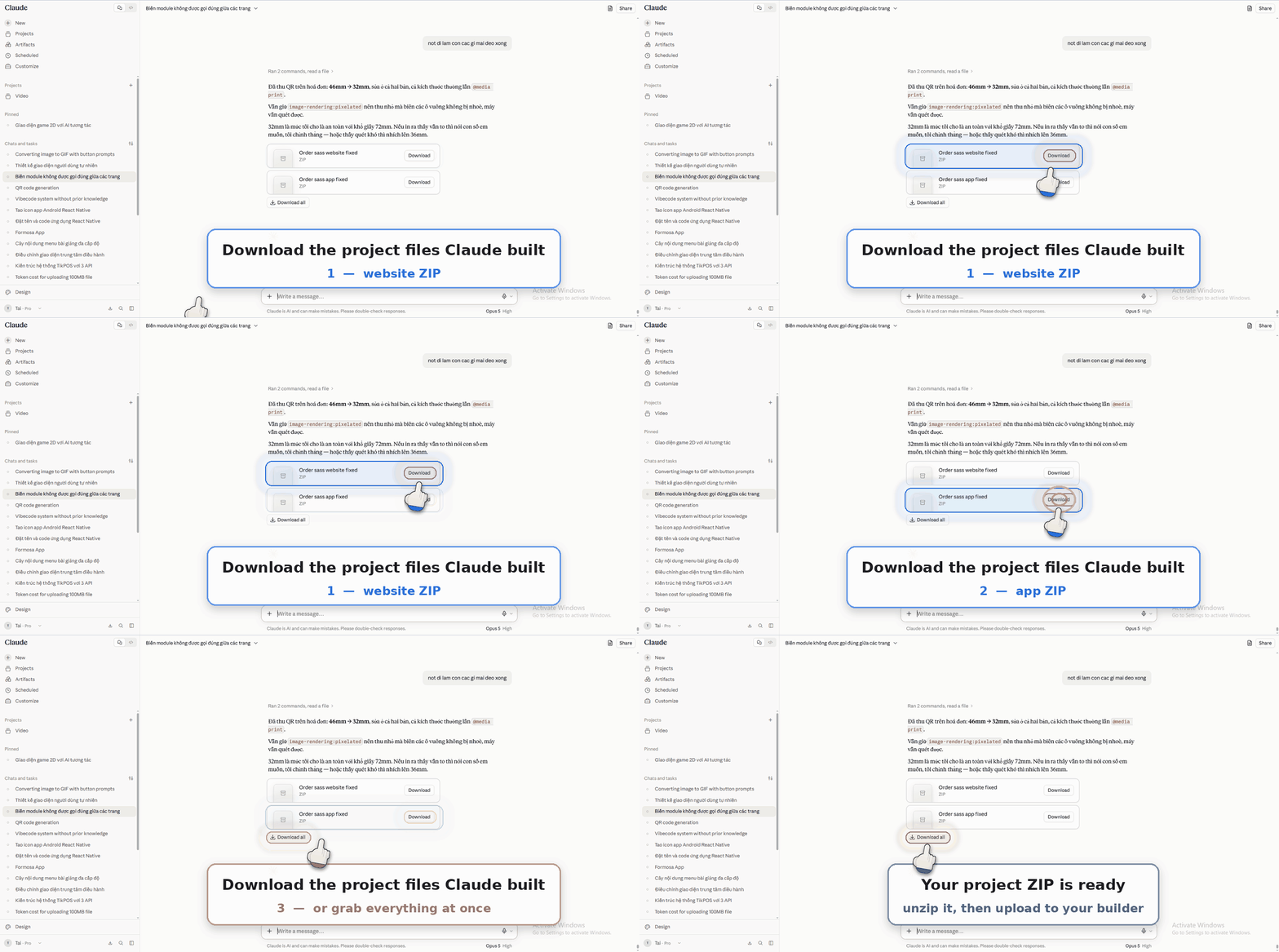
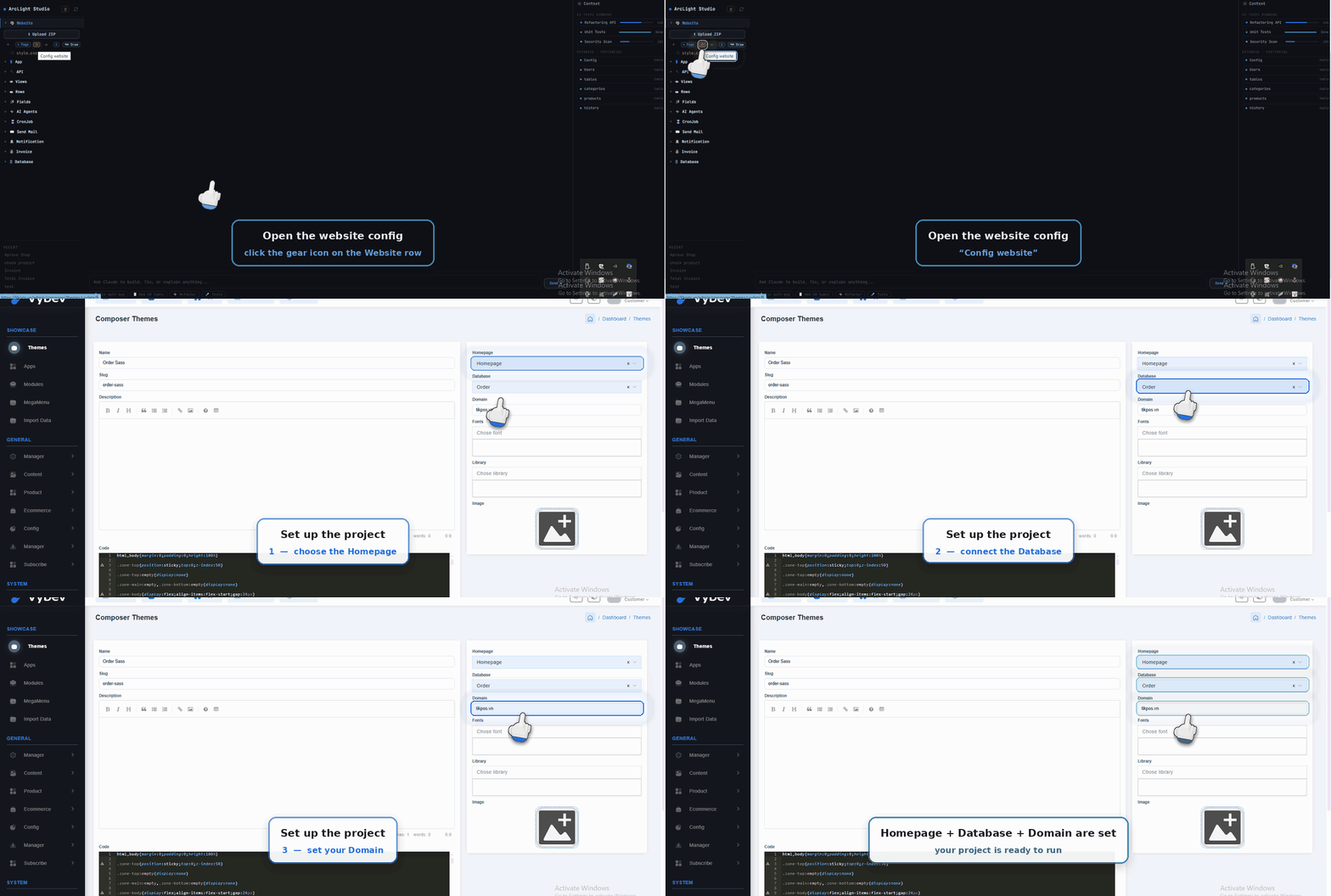
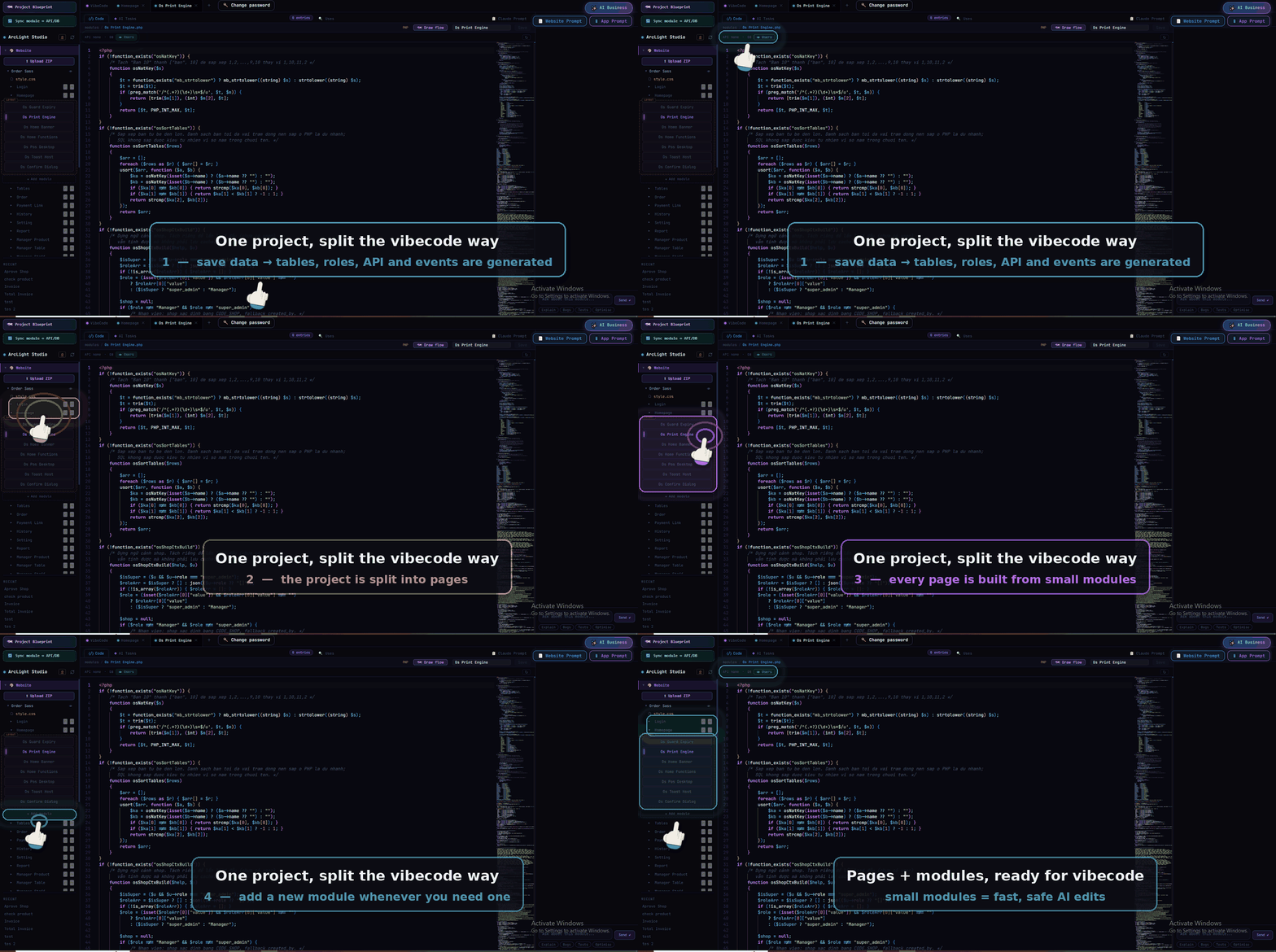
A tour of Vybev Studio in one minute.
Real products, already shipped on Vybev.
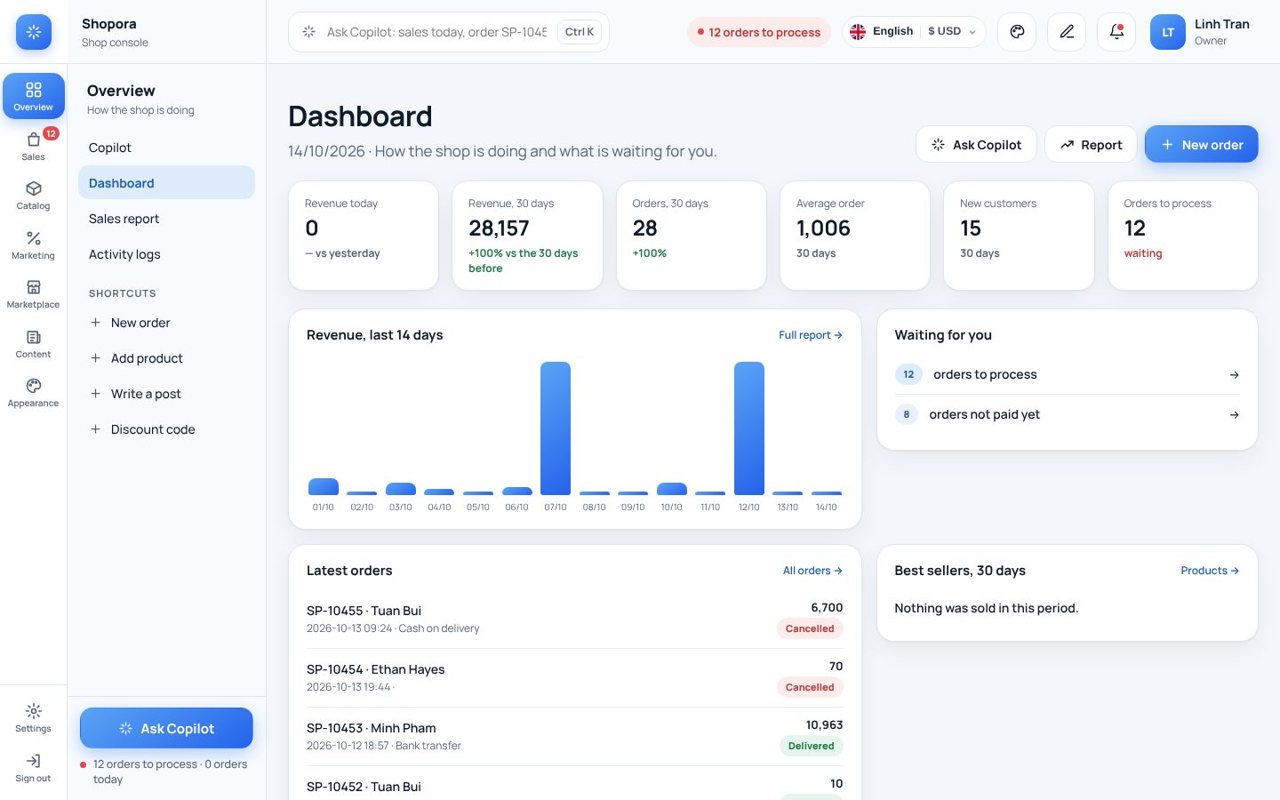
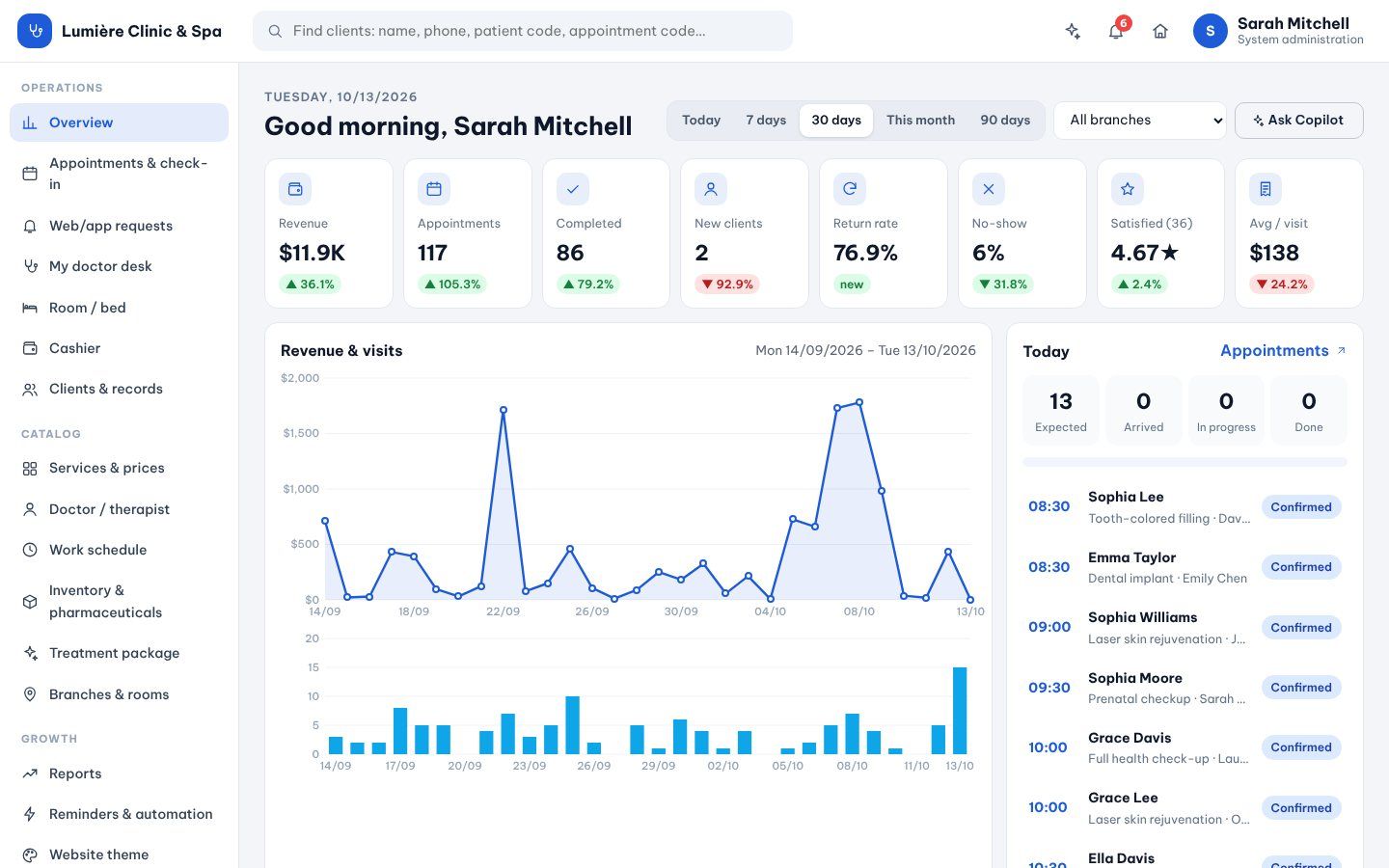
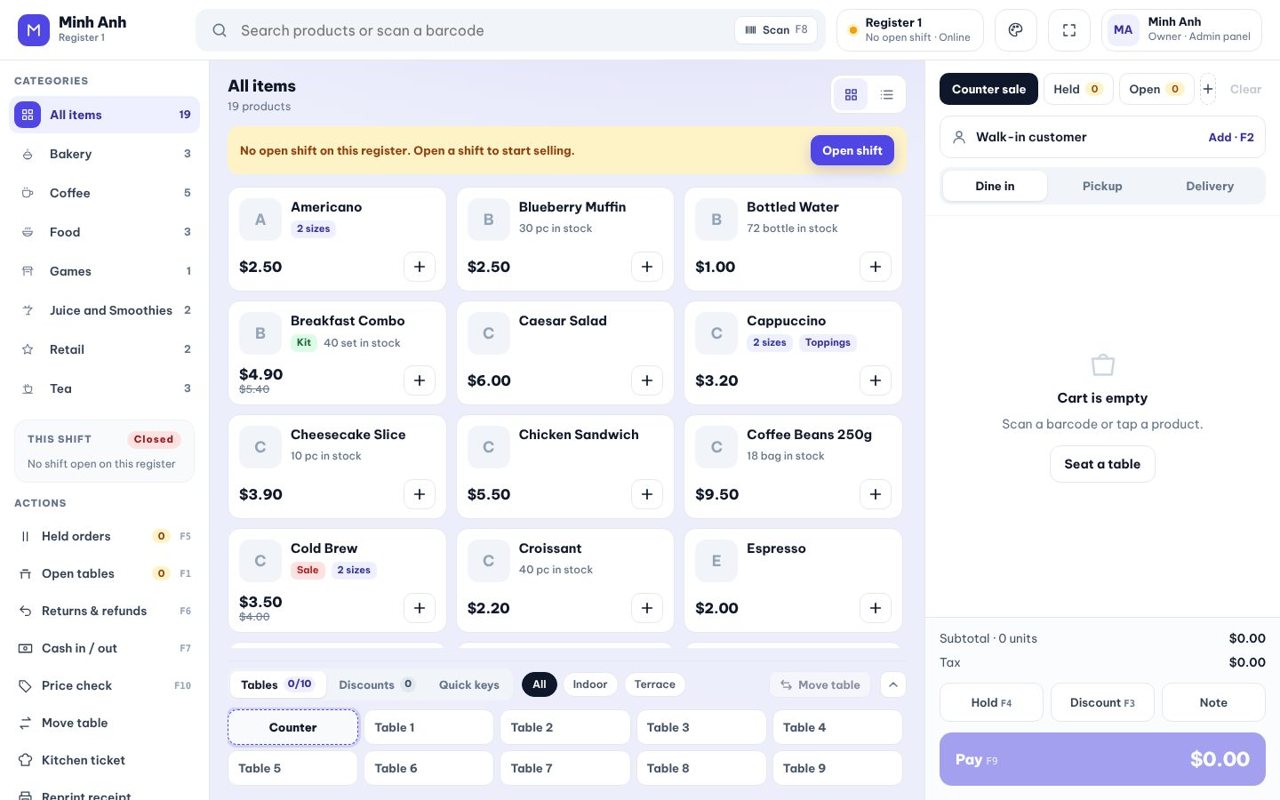
Pay once. Ship for as long as you want.
From $59, lifetime. Free updates. Unlimited projects on your own server.